
DeSoto Lyft Accident Lawyer
DeSoto Lyft Accident Lawyer
A Lyft crash can cause injuries and property damage while raising questions about insurance coverage. Proudly standing up for Texans against large insurers that delay fair results, our team knows how to push for what is right when companies refuse to act.
Your DeSoto rideshare accident lawyer will explain how coverage works and what proof supports your claim. Reaching out to your DeSoto Lyft accident lawyer from Goff Law, PLLC connects you with a team ready to review the details and make sure your voice is heard.
Why Lyft Insurance Creates Confusion for DeSoto Riders
Lyft accidents are rarely simple. Overlapping insurance policies often create disputes between corporate coverage and the driver’s personal insurer. Known across North Texas for resolving complex rideshare insurance disputes, Goff Law uses our experience to explain how coverage applies after a crash.
What Happens When Drivers Use Personal Cars for Lyft Work
Lyft drivers use their own cars, but personal insurance may no longer apply once they log in to the app. Texas law requires them to carry specific coverage designed to protect both passengers and other motorists. Texas Insurance Code § 1954.052 outlines these requirements and defines the minimum insurance levels required while the app is active.
Most personal policies exclude commercial driving, leaving drivers without protection if they are involved in a crash. In these situations, Lyft’s corporate insurance may become the primary source of coverage for medical bills and other damages. You should understand when personal insurance ends and corporate coverage begins to see how your claim fits within Texas law.
How Lyft’s Coverage Periods Affect Your Claim
Lyft’s insurance depends on what the driver was doing at the time of the crash. When the app is off, only personal insurance applies. Once the driver goes online and waits for a request, Lyft provides limited liability coverage. Full coverage begins when the ride is accepted and continues until the passenger exits. Texas Transportation Code § 601.072 sets the minimum levels for liability coverage required statewide.
Each stage of activity determines who pays after an accident. The driver’s status on the app can decide whether Lyft or a personal insurer handles the claim. This detail is often the key to finding out which company is financially responsible for your losses.
Why Some Passengers Are Left Without Coverage
Coverage gaps occur when a driver is logged out of the app or when insurers disagree about whether the driver was working. In some cases, an injured passenger is hit by a Lyft driver who lacks enough insurance to pay for damages. The Texas Department of Insurance’s 2024 bulletin on rideshare coverage explains how these situations continue to cause confusion for people injured in rideshare accidents.
Disputes between insurers may leave passengers waiting for payment while each company argues over who should pay. Trip receipts and Lyft correspondence help show whether the driver was active on the app and identify which insurer should take responsibility for the claim.
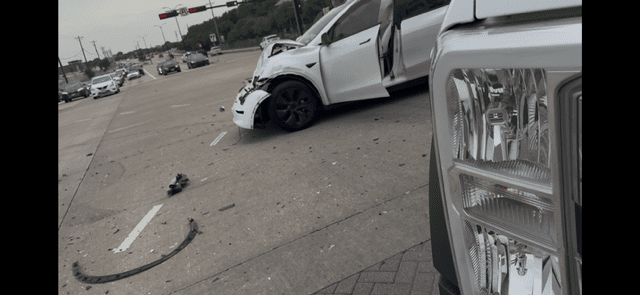
Common Challenges Passengers and Drivers Face After a Lyft Crash
After a Lyft accident, many people find that the hardest part comes later. Riders and drivers deal with slow claim responses and policy disputes that turn an already stressful situation into something difficult. These cases differ from standard auto claims, and your DeSoto car accident lawyer understands that rideshare disputes often require extra documentation and patience.
Denials for “Off-App” Driving
Lyft’s insurers sometimes deny coverage by saying the driver was not logged into the app when the crash occurred. Texas Insurance Code § 541.060 prohibits unfair settlement practices, yet many injured passengers still face these denials.
When an insurer refuses payment, it often falls on you to show that the trip was active during the crash. Screenshots and trip receipts can provide proof that coverage should apply under Lyft’s policy.
When Drivers Are Deactivated Before Claims Settle
Lyft’s deactivation system can make it difficult to reach a driver after a crash report is filed. Accounts are frequently suspended during internal reviews, which prevents passengers from accessing trip information or communication records.
A delayed deactivation of a driver’s account can often extend the time claim settlements take. The inability to contact the driver or verify key details slows the process and leaves passengers waiting for answers.
Disputes Between Lyft and Third-Party Insurers
When two drivers share blame for a crash, their insurers may dispute who pays. Texas Civil Practice & Remedies Code § 33.001 describes how comparative fault applies when both parties are partially responsible, but that does not always stop arguments between companies.
Your DeSoto personal injury lawyer can explain how Lyft’s coverage interacts with another driver’s policy in shared-fault cases. Knowing how fault percentages affect payment timelines and amounts helps you plan next steps and stay informed during the claim process.
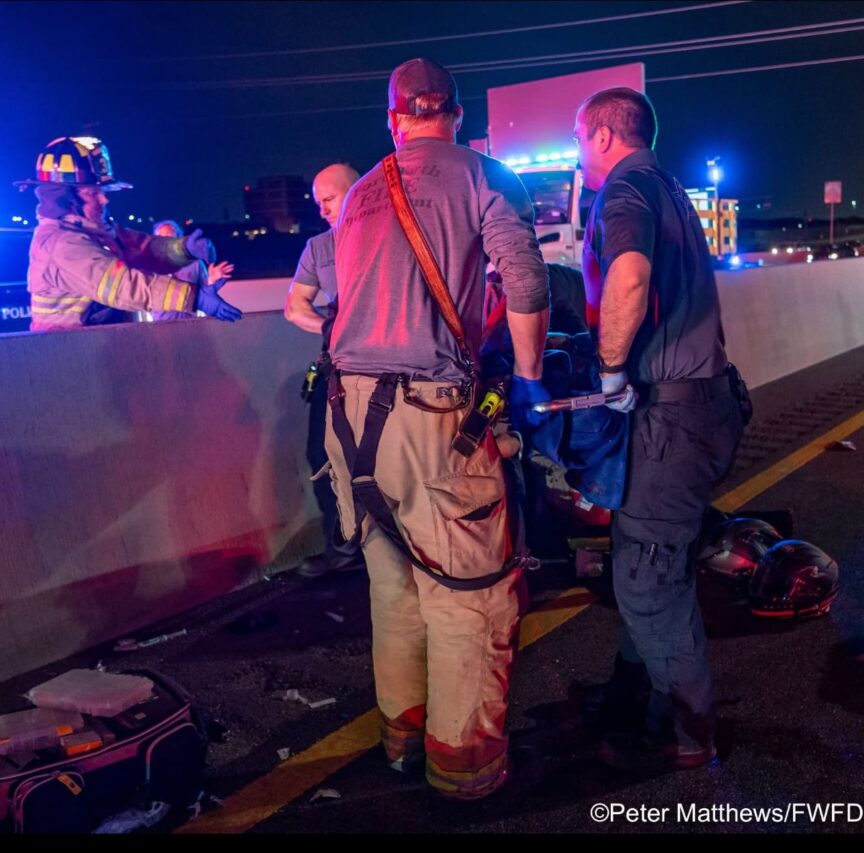
How to Protect Yourself During a Lyft Insurance Claim
Taking the right steps early can make a big difference in your Lyft insurance claim. Evidence can disappear quickly, and small details may determine whether coverage applies. By staying organized, you can protect your rights and keep your claim on track. Here are steps that can help you build a stronger claim:
- Save screenshots and ride receipts to show when your trip began and ended.
- Confirm the driver’s status in the app so you know which insurance policy applies.
- Request data from Lyft’s support team to verify trip details and communication with your driver.
- Get copies of your medical records to document injuries and treatment accurately.
- Track every expense related to the crash to show the financial impact clearly.
- Report the accident promptly to Lyft to confirm that it was tied to a rideshare trip.
- File a report with the Texas Department of Insurance (TDI) to show that you followed state claim procedures.
Texas Insurance Code § 542.055 requires insurers to acknowledge a claim within 15 days, and the TDI’s 2024 bulletin reaffirmed that this rule applies to rideshare companies. This timeline helps you stay aware of your rights and follow up if responses take longer than the law allows.
DeSoto Lyft Accident FAQ
If you were hurt in a Lyft crash, you probably have questions about what happens next. Claims involving rideshare companies can be confusing because multiple insurers are often involved. These answers break down some of the most common questions DeSoto riders and drivers ask after a Lyft accident.
What if Lyft denies my claim because the driver was off the app?
You may still qualify for coverage if evidence shows the driver was working or had just completed a trip, since Texas Insurance Code § 541.060 forbids unfair claim denials.
Can I request my trip records after Lyft deactivates a driver?
Yes, Lyft’s support team can provide copies of trip and communication data that confirm whether the driver was active in the app at the time of the crash.
Does Texas require Lyft to carry uninsured motorist coverage?
Yes, Texas law requires rideshare companies to provide uninsured and underinsured motorist protection while drivers are logged in to the app.
What happens if I was a Lyft passenger in another vehicle when the crash occurred?
You may still be covered under Lyft’s corporate policy if the ride was active during the collision.
Can I file a claim if my injuries worsen weeks after the accident?
Yes, you can update your claim to include later symptoms, as Texas Civil Practice & Remedies Code § 16.003 allows two years to file.
Find Support From Your Lyft Accident Lawyer in DeSoto You Can Trust
