
DeSoto Premises Liability Lawyer
DeSoto Premises Liability Lawyer
Unsafe property conditions can cause serious injuries long before anyone notices the danger. Led by a 3rd generation Texan who built this firm on hard work and honesty, our team has spent years helping people across DeSoto through complex personal injury cases.
Your DeSoto personal injury lawyer will show you how property owners can be held accountable when carelessness leads to harm. Contact your DeSoto premises liability lawyer from Goff Law, PLLC to learn what steps may help you hold the negligent parties responsible.
How Dangerous Property Conditions Cause Serious Injuries
Unsafe conditions on a property can cause life-changing accidents in seconds. Many incidents happen because hazards were ignored or repairs were never made. Our firm, known across North Texas for holding negligent property owners accountable, works to uncover what happened and why it was allowed to continue.
Common Hazards That Lead to Accidents
Certain hazards often appear in DeSoto premises liability cases. Uneven floors or wet entryways can make a space dangerous. Texas Civil Practice & Remedies Code § 75.002 outlines the duty property owners owe to people who enter their buildings or land.
When that duty is ignored, people can get hurt. Unmarked drop-offs or slick floors can cause falls that lead to broken bones or head trauma. Our firm reviews inspection records to find out how long the danger existed.
When Business Owners Fail to Fix Known Problems
Stores, apartment buildings, restaurants, and other businesses must correct hazards once they learn about them. Postponing repairs places customers or tenants at risk and violates basic safety expectations. OSHA’s 2024 report confirms that slips, trips, and falls remain one of the most common causes of injury in public and workplace settings.
Neglect often continues even after multiple warnings. Safety records and maintenance requests show whether management took proper steps to protect visitors. Your DeSoto slip and fall lawyer can use those findings to demonstrate why your injuries could have been prevented.
The Difference Between Invitees, Licensees, and Trespassers
Texas law groups visitors based on why they were on a property. Invitees such as shoppers or tenants have greater protection, while licensees and trespassers have less. Texas Civil Practice & Remedies Code § 33.001 explains how shared fault can affect compensation.
These legal categories determine what safety measures the property owner must follow. A better understanding of these differences helps you know which duties apply in your situation. Our firm can review your accident in detail and explain what evidence will best support your claim.
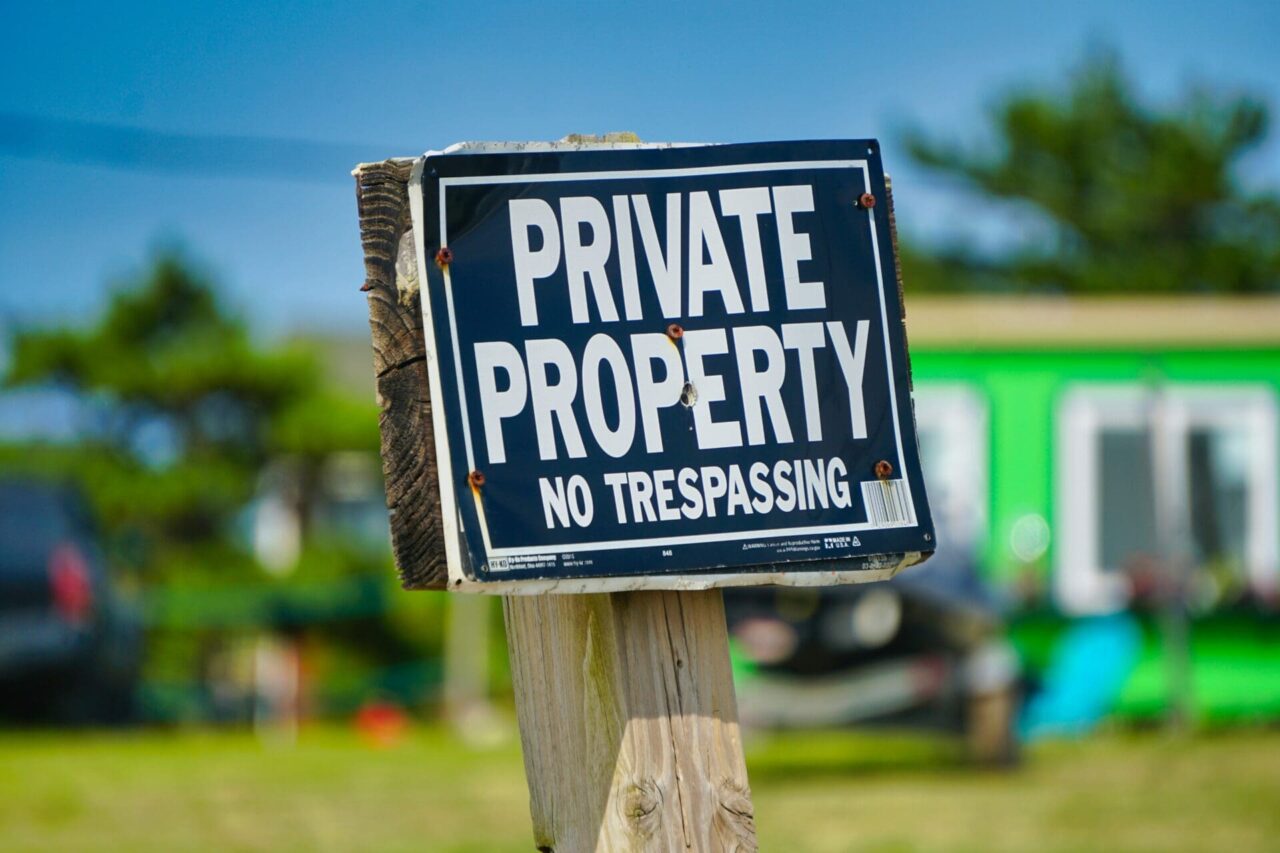
What Property Owners Are Required to Do Under Texas Law
Texas law holds property owners accountable for keeping spaces reasonably safe for visitors. They must fix dangerous conditions and warn about hidden risks that could cause injury. The same basic principles that apply in a truck accident case, where companies must keep fleet yards or warehouses secure, also apply to businesses open to the public.
Maintaining Safe Conditions for Visitors
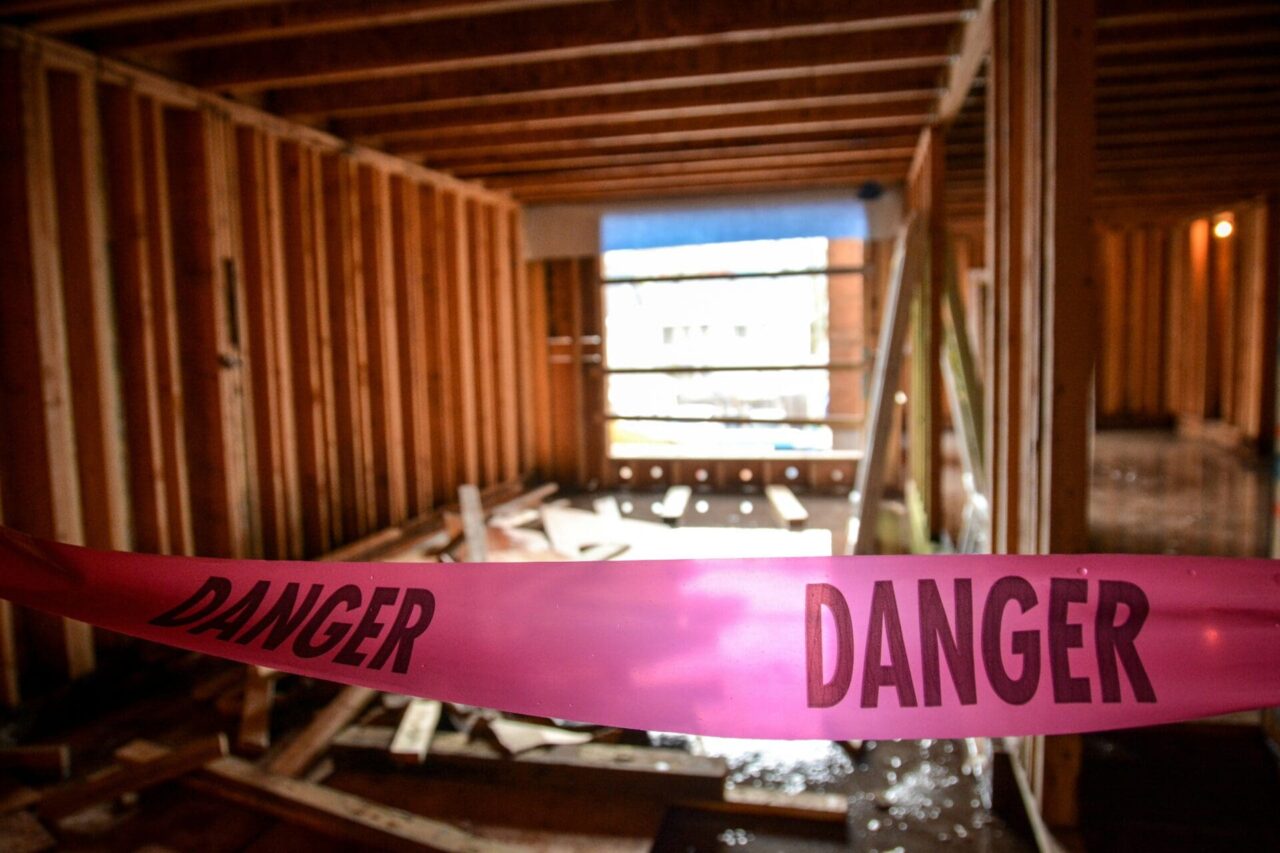
Owners are expected to inspect their property often and repair hazards once they are found. Barriers or caution tape should be used when a fix cannot happen right away. Texas Civil Practice & Remedies Code § 75.002 outlines this duty of care and when property owners may face legal consequences for neglecting it.
Poor upkeep can cause injuries that never should have happened. Broken flooring or loose handrails often lead to falls and serious medical costs tied to catastrophic injuries. Our firm reviews inspection records to learn how long the danger existed and what steps were taken to address it.
Posting Adequate Warnings About Hazards
Visible warnings protect people from unexpected risks. Signs or a quick cleanup can alert visitors to wet floors or electrical problems. Failure to warn guests may be viewed as negligence if someone is injured as a result.
Businesses that overlook these precautions can still be held liable. Proper notice can prevent serious accidents before they occur. Your DeSoto premises liability attorney with Goff Law, PLLC can explain how similar cases have been handled in Texas courts.
Documenting a Property Hazard Before It’s Fixed
Evidence can disappear soon after a repair or cleanup. Photos and witness statements help show what conditions looked like at the time of the incident. Environmental hazards remain a leading cause of preventable falls.
Early documentation can help support your claim if questions come up later. Even a few photos taken with a phone can show what changed between the time of the accident and the repair. Our firm helps you organize this evidence so it stays useful throughout your case.
Types of Premises Liability Cases We Handle in DeSoto
Premises liability covers far more than slips and falls. Property owners can be held accountable for a wide range of unsafe conditions that put visitors at risk. Our firm has seen how quickly these incidents turn serious and how much difference proper upkeep could have made. Below are some of the most common situations that lead to injury claims in DeSoto:
- Retail store accidents
- Apartment complex injuries
- Hotel or resort injuries
- Unsafe parking lots
- Electrical or fire hazards
- Swimming pool accidents
- Negligent security cases
- Structural collapses
- Escalator and elevator malfunctions
- Public park or government property hazards
- Attacks and dog bites from unsecured or dangerous animals
Texas Civil Practice & Remedies Code § 16.003 generally gives injured visitors two years to file a claim, though some cases may differ. With more people moving to Texas, injuries from parking lots and public property hazards are increasing statewide. Missing a filing deadline can limit your right to seek compensation for treatment costs and time away from work.
DeSoto Premises Liability FAQ
Accidents on another person’s property often raise questions about what to do next. The answers below explain how Texas law applies to common situations and what steps may help your claim.
What if the property owner blames me for my own injuries?
You may still have a valid claim even if the owner argues that you share fault. Texas Civil Practice & Remedies Code § 33.001 allows compensation when your share of fault is 50% or less.
Can I file a claim if the hazard was temporary or just cleaned up?
Yes. Photos or witness accounts can show that the hazard existed shortly before it was fixed.
Do security cameras or surveillance footage help prove my claim?
Yes. Video can show when a hazard appeared and how long it remained before the accident.
Can I recover damages if I fell at a friend’s house instead of a business?
Yes. Most homeowners have insurance that covers guest injuries, and those claims are typically handled through the policy.
Who is responsible if my child was hurt on someone else’s property?
Responsibility depends on whether the owner failed to secure an area or ignored a known danger. Texas law gives children added protection when features such as pools or trampolines expose them to dangerous conditions.
Trust Your Premises Liability Lawyer in DeSoto Who Knows Your Rights
